
Vea también


 18.11.2026 10:03 AM
On Monday evening, Fed chair contender Kevin Warsh spoke, and traders had been eagerly awaiting his remarks. The reason is that since the summer, Warsh's speeches and statements have, with striking consistency, prompted regular dollar strength. That pattern is understandable: once Warsh became an official Fed nominee, he began warning against tolerating high inflation, and inflation in the U.S. then rose even further—prompting the market to draw the natural conclusion that Fed tightening was inevitable. Still, let us repeat: inflation is rising not only in the U.S., and it is not only the Fed that is raising rates. So, on some days the dollar rose on Warsh's hawkish tone or on expectations of stronger Fed tightening than previously assumed—but not constantly and not to astronomical levels.
On Monday, Warsh did not speak about monetary policy. In fact, the Fed chair-to-be has never made rate forecasts or hinted at future decisions; on the contrary, he prefers to pare back communication by Monetary Policy Committee members to the public. The new Fed head believes the less markets know about Fed plans, the better. Hence, it was naive to expect Warsh to talk on Monday evening about October's high inflation or a rate rise next year.
Yet that was precisely the danger for the euro and the pound. Warsh never issues forecasts, and the dollar regularly strengthens on his remarks. The market therefore interprets his words on its own. If so, any phrase could provoke another dollar move. In truth, by the end of Monday and Tuesday the dollar did not even need Warsh's help—it kept rising on its own.
Warsh spoke about artificial intelligence. And he had something to say. According to the Fed contender, AI can help the economy grow faster via rising labor productivity, but it also creates serious risks for the economy in the form of stock market declines or rising unemployment. Obviously, the more tasks AI performs, the more layoffs companies will make. Many workers and whole professions will become redundant. At the same time, hopes pinned on AI may prove hollow. Already every person interacts with chatbots, and AI can write code and analyze information. But it lacks the most important things—creative thinking and the ability to solve problems in novel ways. So, it can handle routine tasks but cannot solve more complex problems. In addition, many investors worry about returns on their huge AI investments. If the "AI era" results only in machines writing code and robots moving goods in Amazon warehouses, it is doubtful investors expected that when they lent billions to tech companies. The bubble will burst sooner or later. A debt crisis could be very severe.
Trading recommendations for EUR/USD:
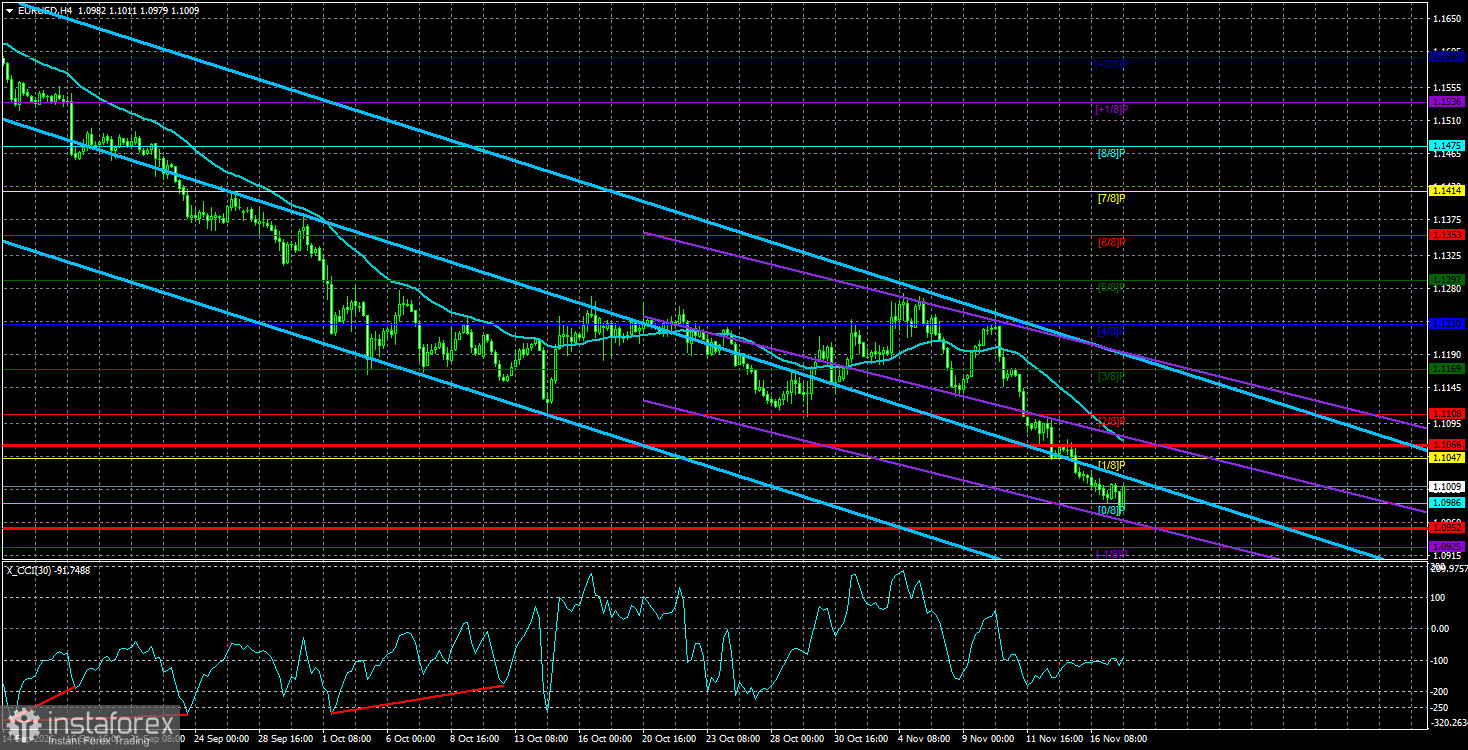
EUR/USD remains in a downtrend that lacks sufficient fundamental, macroeconomic, and geopolitical reasons to reverse. The global fundamental backdrop for the dollar remains negative, but in 2026 geopolitics first, and then the Fed's hawkish stance provided strong support for the U.S. currency. Practically all other factors have been ignored for the past three months. When the price is below the moving average, consider shorts with targets at 1.0952 and 1.0925, as the trend remains down. Above the moving average consider longs with targets at 1.1169 and 1.1230, since even an illogical fall will eventually end.
Trading recommendations for GBP/USD:
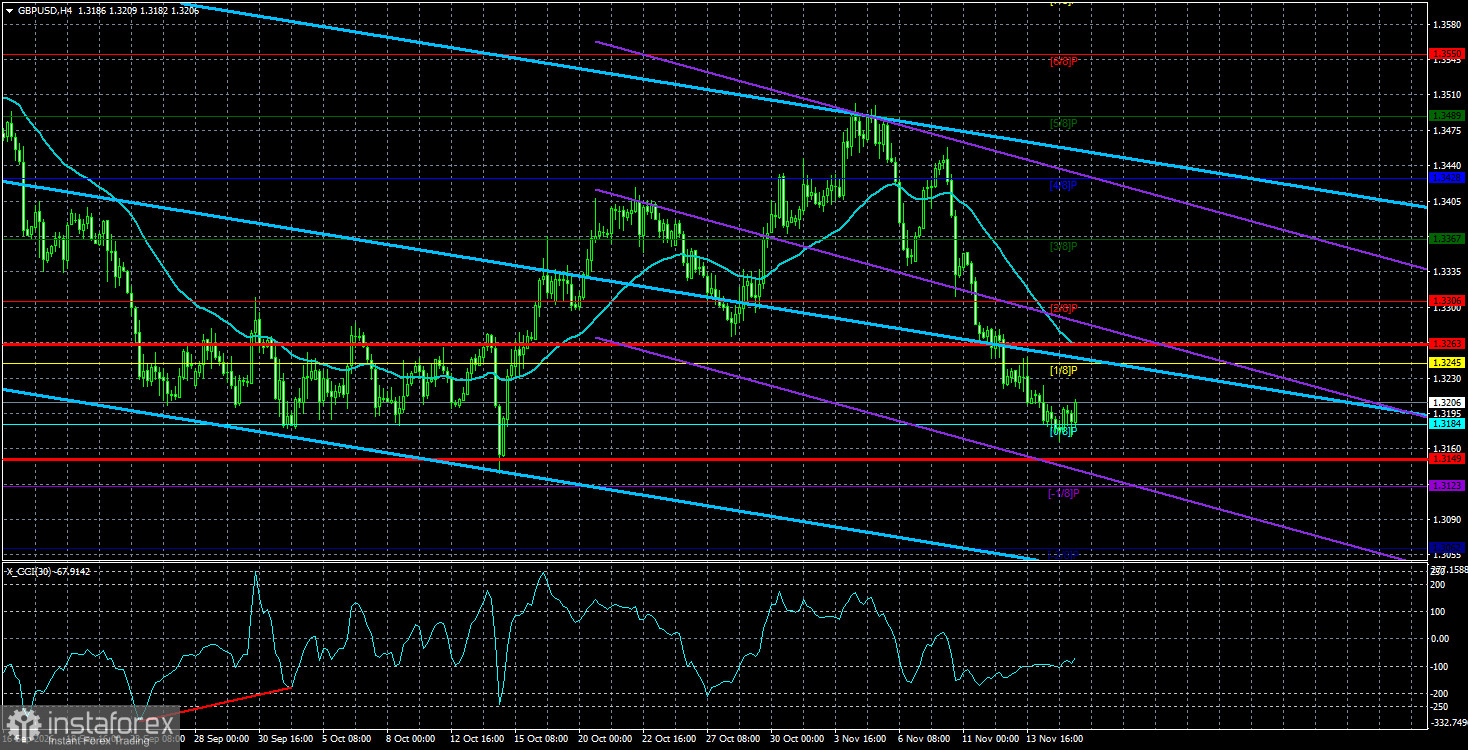
GBP/USD has begun a new downtrend that is part of the daily sideways channel. The year of 2026 has been extremely positive for the US dollar because geopolitics and inflation forced capital to seek shelter and the Fed returned to tightening. However, the weekly TF still shows a flat between 1.3150 and 1.3780 within a four-year uptrend, which supports a medium-term bullish case for sterling. Consider longs above the moving average with targets at 1.3367 and 1.3428. When price sits below the moving average, trade the downside toward 1.3150–1.3180. Be cautious with shorts—the price is approaching the lower edges of the sideways channels again.
Illustration notes:
- Linear regression channels help identify the current trend: if both point the same way, the trend is strong;
- The smoothed moving average (setting 20.0) defines the short-term trend and the direction to trade;
- Murray levels are target points for moves and corrections;
- Volatility bands (red lines) indicate a likely intraday price corridor based on current volatility;
- CCI entering oversold (below -250) or overbought (above +250) territory signals an approaching trend reversal.


